
8 Early Signs of Foundation Problems Homeowners Should Never Ignore
Foundation problems rarely appear out of nowhere. In most cases, your home shows early warning signs long before serious structural damage occurs. The challenge for homeowners is recognizing which changes are harmless and which ones point to foundation issues developing below the surface.
Below, we outline early signs of foundation problems that commonly show up inside and outside the home. This list is designed to be easy to scan, so you can quickly identify potential red flags and understand what they may indicate. Some signs may seem minor on their own, but when multiple issues appear together, they often signal foundation movement or settlement.
If you notice one or more of these warning signs, it may be time to take a closer look. Catching foundation problems early can help limit foundation repair costs and protect the long-term safety and value of your home.
At a Glance: Common Early Signs of Foundation Problems
Some foundation issues are easy to overlook at first, especially when they develop gradually. This quick overview highlights some of the most common early signs of foundation problems and what they may indicate. If you spot one or more of these issues in your home, it’s worth taking a closer look.
| Early Warning Sign | What It May Indicate | When to Pay Attention |
| Cracks in walls or floors | Foundation settlement or shifting | Cracks widening or spreading |
| Sticking doors or windows | Structural movement | Sudden or worsening issues |
| Uneven or sloping floors | Foundation movement or soil issues | Noticeable slopes or soft spots |
| Gaps around doors or windows | Foundation shifting | Visible daylight or growing gaps |
| Stair-step cracks in brick | Structural stress | Cracks along mortar joints |
| Bowing basement walls | Soil pressure or moisture | Walls leaning inward |
| Moisture or musty odors | Water intrusion | Persistent dampness |
| Wall or ceiling separation | Structural movement | Gaps increasing over time |
This section works as a fast checklist. Below, we break down each sign in more detail so you can understand what’s happening and when to take action.
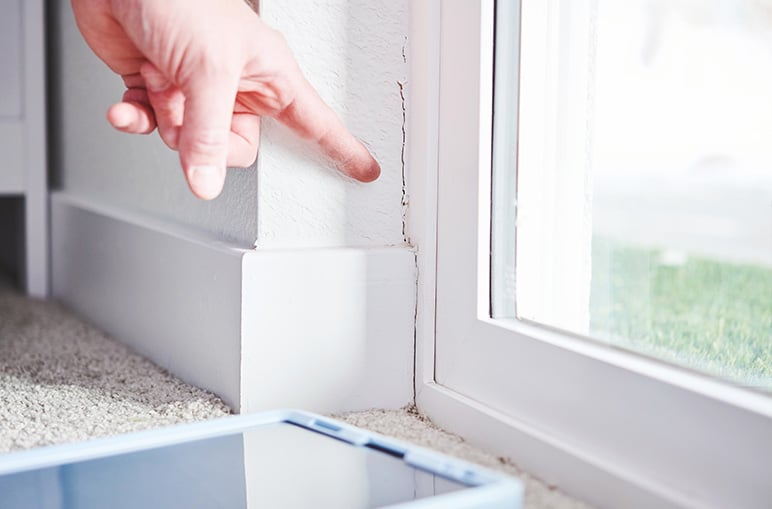
8 Early Signs of Foundation Problems to Watch For
1. Cracks in Walls, Floors, or Ceilings
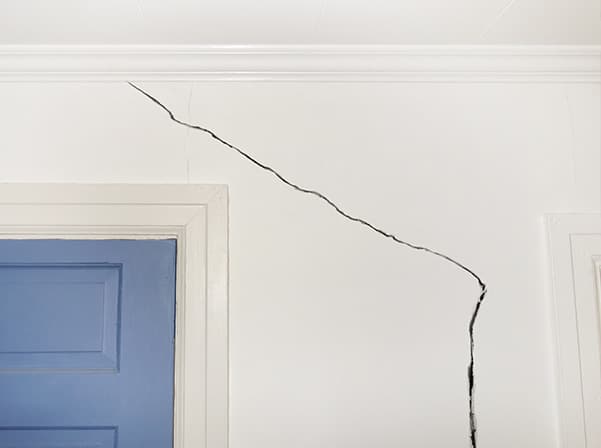
Cracks are one of the most common and noticeable early signs of foundation problems. While some small cracks can form as a house naturally settles, others may indicate foundation movement that should not be ignored.
Foundation-related cracks often appear in:
- Interior drywall
- Basement walls
- Concrete floors
- Ceilings near doorways or windows
Not all cracks mean the same thing. Hairline cracks are often cosmetic, but wider cracks, cracks that grow over time, or cracks that follow a stair-step pattern can signal foundation settlement or structural stress.
Cracks may be a concern if you notice:
- Cracks wider than 1/8 inch
- Cracks that continue to lengthen or spread
- Stair-step cracks in block or brick
- Cracks paired with other issues like sticking doors or uneven floors
If cracking appears in multiple areas of the home, it often points to a foundation issue rather than normal aging. This is especially true when cracks show up alongside other signs of foundation movement.
2. Doors and Windows That Stick or Won’t Close Properly
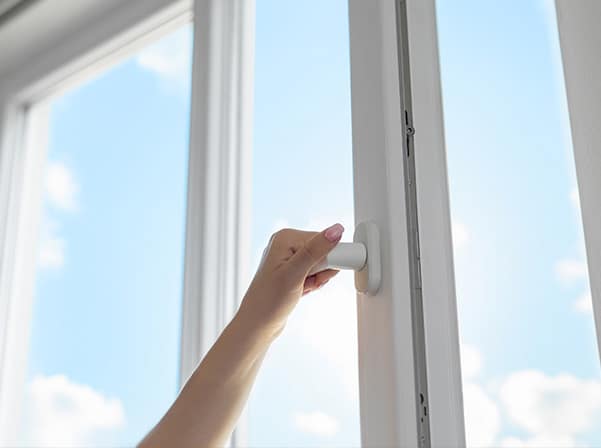
When doors or windows suddenly become difficult to open or close, it can be more than a minor annoyance. Sticking doors and windows are often an early sign of foundation problems, especially when the issue appears without changes to humidity or temperature.
As a foundation shifts or settles unevenly, it can cause door and window frames to become misaligned. This movement creates friction, uneven gaps, or visible rubbing along the frame.
You may be seeing foundation-related movement if:
- Doors swing open or shut on their own
- Windows are hard to lock or won’t stay open
- Gaps appear along the top or sides of frames
- Multiple doors or windows are affected at once
Seasonal expansion can cause minor sticking, but persistent or worsening issues often indicate structural movement. When these problems occur alongside cracks or uneven floors, foundation settlement is a likely cause.
3. Uneven, Sloping, or Bouncy Floors
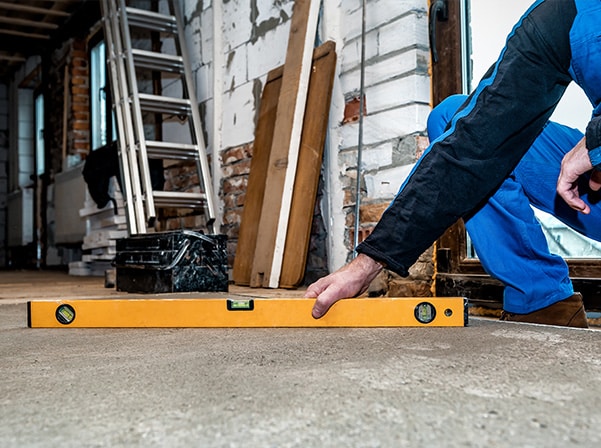
Floors should feel solid and level. When they begin to slope, dip, or feel bouncy underfoot, it can be an early sign of foundation problems developing beneath the home.
Uneven floors are often caused by foundation settlement, soil movement, or structural changes affecting floor supports. In homes with crawl spaces, sagging or shifting support systems can also contribute to noticeable floor issues.
Floor problems linked to foundation issues may include:
- Floors that slope in one direction
- Soft or bouncy areas when walking
- Noticeable dips or high spots
- Furniture that appears uneven or wobbly
These changes may happen gradually, making them easy to ignore at first. However, worsening floor unevenness often signals ongoing foundation movement that should be evaluated before structural damage increases.
4. Gaps Around Windows, Doors, or Exterior Walls
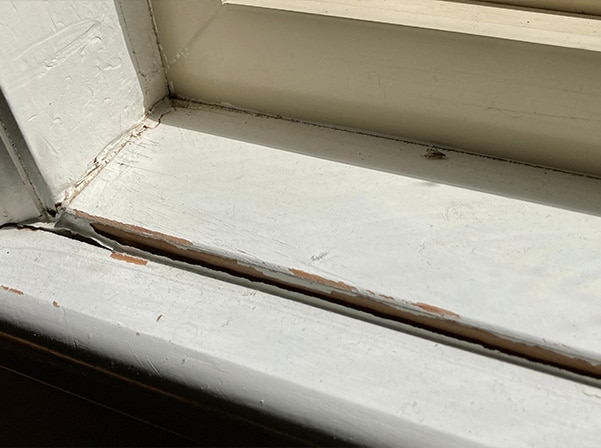
Gaps forming around windows, doors, or along exterior walls are another common early sign of foundation problems. As the foundation shifts, the framing above it can pull away from walls, creating visible separations.
These gaps may start small and gradually become more noticeable over time. In some cases, you may even feel drafts or see daylight coming through areas that were once sealed.
Watch for signs such as:
- Gaps between door or window frames and walls
- Trim pulling away from the wall
- Cracks forming near corners of openings
- Increased drafts or energy loss
While minor gaps can occur as a home ages, expanding or uneven gaps often indicate foundation movement. When combined with other symptoms like cracks or sticking doors, they may point to a deeper structural issue.
5. Cracks in Brick, Block, or Exterior Masonry
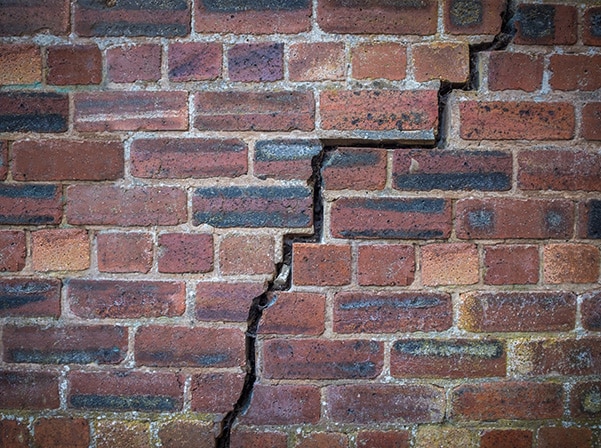
Cracks in brick, block, or other exterior masonry are often more concerning than interior drywall cracks. These materials do not flex easily, so visible cracking is a strong early sign of foundation problems or structural stress.
One of the most telling patterns is a stair-step crack that follows the mortar joints in brick or block walls. This type of cracking typically forms when the foundation settles unevenly and places stress on the structure above it.
Exterior masonry cracks may indicate foundation movement if they:
- Follow a stair-step pattern
- Widen over time
- Appear near windows, doors, or corners
- Are paired with interior cracking or uneven floors
Because exterior cracks are exposed to the elements, they can also allow moisture to enter the home, compounding foundation damage over time. Any cracking in exterior masonry should be monitored closely and evaluated if it worsens.
6. Bowing or Leaning Basement Walls
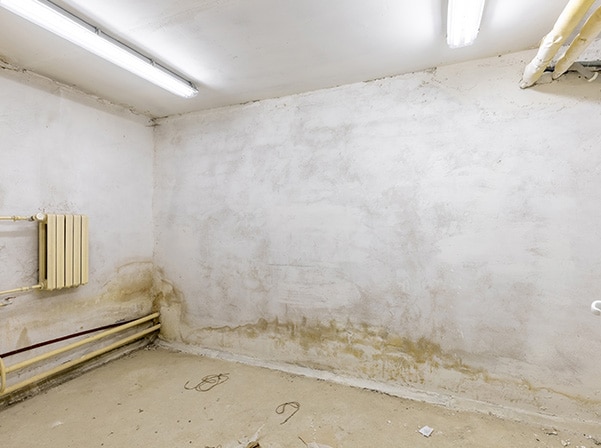
Bowing or leaning basement walls are a serious early sign of foundation problems that should never be ignored. This type of movement is often caused by pressure from the soil surrounding the foundation, especially when excess moisture is present.
As soil becomes saturated, it expands and pushes against basement walls. Over time, this pressure can cause walls to bow inward, lean, or develop horizontal cracking.
Warning signs of basement wall movement include:
- Walls curving or bulging inward
- Horizontal cracks along basement walls
- Walls that appear tilted or out of plumb
- Moisture intrusion near affected areas
Even slight bowing can worsen if left untreated. Addressing basement wall movement early can help prevent structural failure and more costly repairs down the line.
7. Moisture Problems or Musty Odors
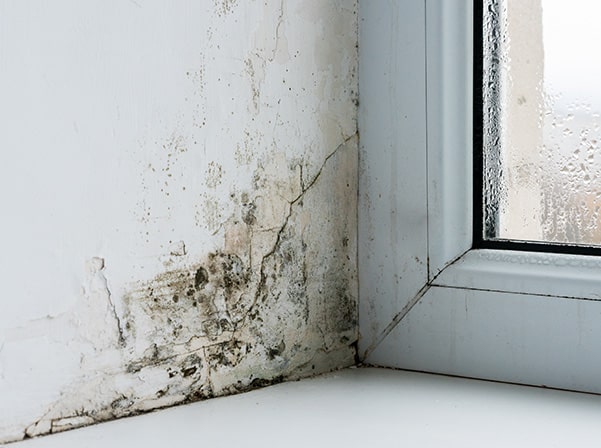
Persistent moisture issues or musty smells can be an early sign of foundation problems, especially when water is entering through cracks or gaps in the foundation. Even small openings can allow moisture to seep into basements or crawl spaces over time.
Excess moisture not only contributes to foundation deterioration but can also lead to mold growth, wood rot, and poor indoor air quality.
Foundation-related moisture issues may include:
- Damp basement or crawl space walls
- Standing water after heavy rain
- Musty or mildew-like odors
- Visible mold or condensation
Moisture problems often worsen foundation damage by weakening materials and increasing soil pressure around the home. When water issues appear alongside cracking or wall movement, foundation repair and waterproofing solutions may both be necessary.
8. Separation Between Walls, Ceilings, or Floors
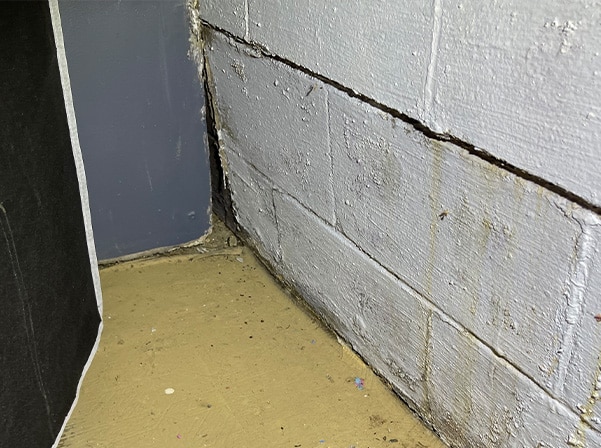
Separation between walls, ceilings, or floors is a clear early sign of foundation problems and structural movement. As a foundation shifts or settles unevenly, the framing above it can begin to pull apart, creating visible gaps.
This type of separation often appears near:
- Wall-to-ceiling joints
- Where walls meet floors
- Interior corners or stairways
You may notice foundation-related separation if:
- Gaps widen over time
- Trim or molding pulls away from surfaces
- Cracks form alongside the separation
- Multiple areas of the home are affected
Structural separation should be addressed promptly, as it often indicates ongoing movement within the foundation system. Early evaluation can help prevent more extensive structural repairs later on.
What Causes These Early Foundation Warning Signs?
Foundation problems don’t happen randomly. In most cases, the early signs you see inside or outside your home are caused by underlying conditions that place stress on the foundation over time. Understanding these causes can help explain why certain issues appear and why they often worsen if left unaddressed.
Common causes of early foundation problems include:
- Soil movement or expansive soil
Changes in moisture levels can cause soil to expand and contract, putting pressure on the foundation and leading to settlement or shifting. - Poor drainage around the home
Improper grading, clogged gutters, or short downspouts can allow water to collect near the foundation, increasing soil pressure and erosion. - Excess moisture or water intrusion
Ongoing moisture weakens foundation materials and contributes to wall movement, cracking, and basement or crawl space problems. - Natural settling over time
Some settling is normal, but uneven or excessive settling can result in cracks, sloping floors, and structural separation. - Inadequate foundation support
Older homes or improperly built foundations may lack the structural support needed to handle soil changes and long-term loads.
While some of these conditions develop slowly, their effects often compound over time. Addressing the root cause early can help prevent minor foundation issues from turning into major structural repairs.
When Should You Call a Foundation Professional?
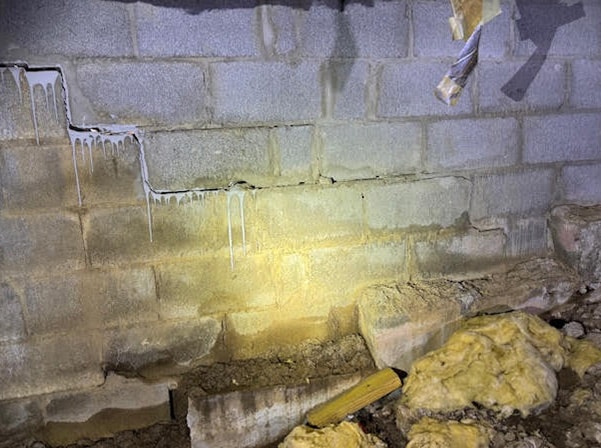
Not every crack or small change in your home means you have a serious foundation issue. However, certain warning signs indicate it’s time to have your foundation evaluated by a professional.
You should consider scheduling a foundation inspection if you notice:
- Cracks that continue to widen or spread
- Multiple foundation warning signs appearing at the same time
- Doors or windows that suddenly stop functioning properly
- Uneven or sloping floors that worsen over time
- Bowing basement walls or visible structural movement
- Persistent moisture problems tied to foundation areas
A professional inspection can help determine whether the issue is cosmetic, age-related, or a sign of foundation damage. Early evaluation allows for more targeted repairs and can help prevent further structural deterioration.
Why Catching Foundation Problems Early Saves You Money
Foundation issues tend to worsen over time when left unaddressed. What starts as a small crack or minor shift can eventually lead to extensive structural damage that requires more involved repairs.
Catching foundation problems early often means:
- Smaller, less invasive repair solutions
- Lower overall repair costs
- Reduced risk of secondary damage to floors, walls, and framing
- Fewer disruptions to daily life during repairs
Early detection can also help protect your home’s resale value. Foundation issues discovered during a real estate transaction can delay a sale or reduce buyer confidence. Addressing problems early allows you to maintain structural integrity and avoid more costly repairs down the road.

Schedule a Professional Foundation Inspection
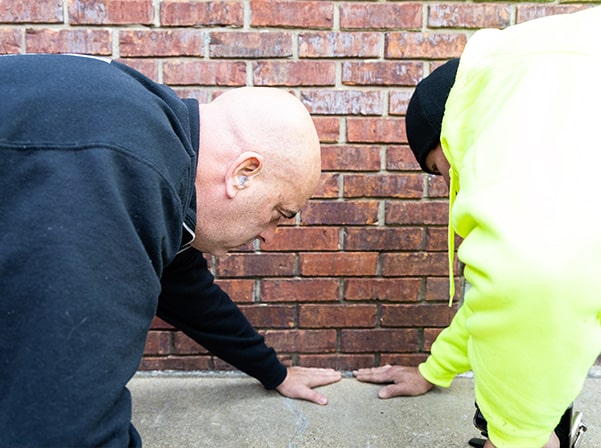
If you’ve noticed one or more of these early signs of foundation problems, having your foundation inspected can provide clarity and peace of mind. A professional evaluation helps identify whether the issue is cosmetic or structural and determines the best next steps.
At Foundation Solutions Group, our team specializes in diagnosing foundation issues and recommending solutions tailored to your home’s specific needs. Early inspections can help prevent minor problems from turning into major repairs and protect the long-term stability of your home.
If you’re unsure what you’re seeing or want a professional opinion, scheduling an inspection is a smart place to start.
Frequently Asked Questions About Early Signs of Foundation Problems
What are the most common early signs of foundation problems?
Some of the most common early signs of foundation problems include cracks in walls or floors, sticking doors or windows, uneven floors, gaps around frames, and moisture issues in basements or crawl spaces. While one sign alone may not always indicate a serious issue, multiple symptoms appearing together often point to foundation movement.
Are foundation cracks always a sign of a serious problem?
Not all foundation cracks are serious. Small hairline cracks can form as a home naturally settles over time. However, wider cracks, cracks that grow, stair-step cracks, or cracks paired with other warning signs may indicate foundation settlement or structural issues that should be evaluated by a professional.
Can foundation problems get worse if left untreated?
Yes. Foundation problems typically worsen over time if they are not addressed. Minor movement can lead to additional cracking, uneven floors, wall separation, and moisture intrusion. Catching foundation issues early can help prevent more extensive and costly repairs later.
What causes foundation problems in homes?
Foundation problems are often caused by soil movement, poor drainage, excess moisture, water intrusion, or uneven settling. Changes in soil moisture levels can place pressure on the foundation, leading to shifting, cracking, or wall movement.
When should I have my foundation inspected?
You should consider scheduling a foundation inspection if you notice cracks that are widening, doors or windows that suddenly stick, uneven floors, bowing basement walls, or persistent moisture problems. An inspection can help determine whether the issue is cosmetic or structural.
How much does it cost to fix foundation problems?
The cost of foundation repair varies depending on the type and severity of the issue, as well as the repair method required. Early repairs are typically less expensive than advanced structural repairs, which is why early detection and inspection are so important.

Written By Shaun Miller, Owner Foundation Solutions Group
Shaun Miller is the owner of Foundation Solutions Group, a trusted foundation repair and waterproofing company serving South Central Kentucky and Middle Tennessee. With over 20 years of experience, Shaun is committed to delivering quality craftsmanship and ensuring that every project is done right the first time, backed by the company’s “Fix-It-Forever Guarantee.” Passionate about educating homeowners, Shaun leads the company’s "Solutions University" initiative to help clients protect their homes through knowledge and preventative care. Dedicated to his community, Shaun also supports local organizations and values the trust his customers place in him.