
Musty Smells in the Basement: What They Mean & How to Fix Them
If you’ve walked into your basement and noticed a damp, musty smell, you’re not alone. Many homeowners deal with basement odors that seem to appear out of nowhere — and they can be frustrating to track down. A musty smell is usually a sign that moisture is getting in or sticking around longer than it should.
The good news is that musty smells are fixable. Understanding what causes the odor and how to stop it at the source can help you clear the air and protect your home from long-term issues.
In this guide, we’ll break down why basements develop musty smells, what those odors might be telling you, and the best steps to get rid of them for good.
Why Does My Basement Smell Musty?
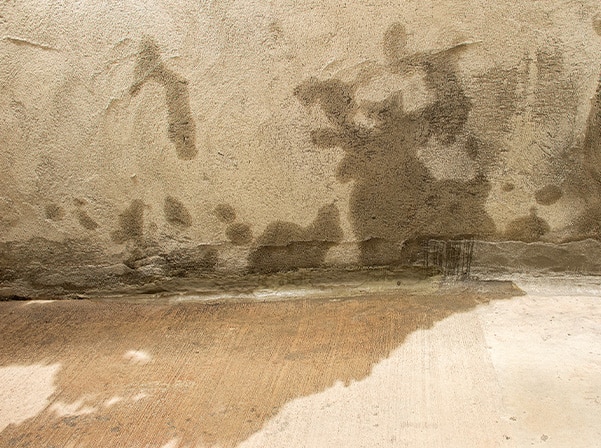
A musty smell in the basement is almost always linked to moisture. Even a little dampness can create the perfect environment for odors to form and spread. Basements are the lowest part of the home, so they naturally collect humidity, leaks, and stale air.
Here are the most common reasons basements develop musty smells:
- Moisture seeping through walls or floors
- Poor ventilation that traps humid air
- Leaks from plumbing, windows, or foundation cracks
- Damp insulation or stored items absorbing moisture
- Mold or mildew growing in hidden areas
- High humidity levels that never fully dry out
A musty smell isn’t just a nuisance — it’s your home telling you something needs attention. Finding the cause is the first step toward fixing the problem for good.
What a Musty Basement Smell Says About Your Home
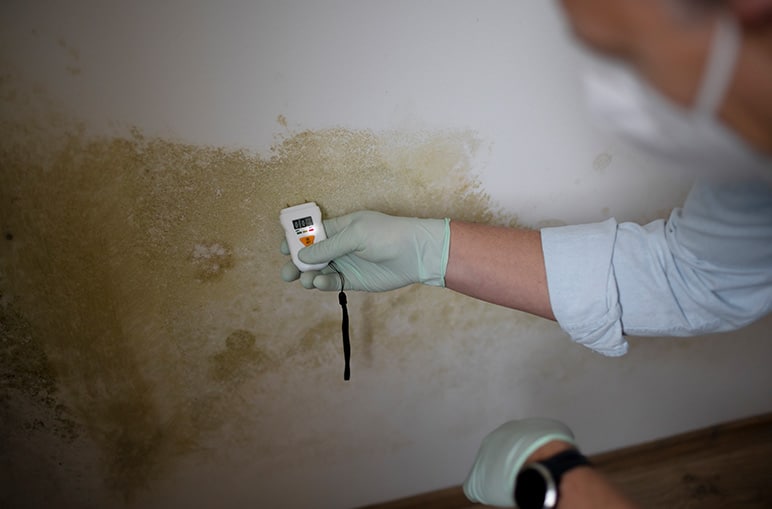
A musty smell isn’t just an odor — it’s a clue. When your basement smells damp or earthy, it usually means something in the environment has changed. Understanding what that smell points to can help you address the real issue instead of just masking it.
Moisture Is Getting In Somewhere
Most musty odors point to moisture entering through walls, floors, windows, or plumbing. Even a small amount of water can settle into materials and create a long-lasting smell.
Mold Growth May Be Starting
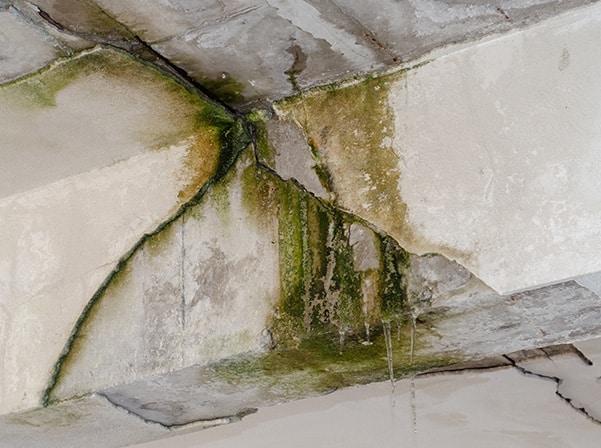
Musty smells and mold go hand in hand. You may not always see mold right away, but the odor often shows up before visible growth begins.
Poor Ventilation Is Trapping Humidity
Basements with little airflow hold onto humid air. Over time, the trapped moisture creates stale, musty odors that won’t go away until the air can circulate.
Hidden Water Damage Could Be Present
Wet insulation, damp drywall, or soaked storage items can hold moisture for long periods. These materials can develop musty smells even when the rest of the basement looks dry.
What a Musty Basement Smell Says About Your Home
A musty smell isn’t just an odor — it’s a clue. When your basement smells damp or earthy, it usually means something in the environment has changed. Understanding what that smell points to can help you address the real issue instead of just masking it.
Moisture Is Getting In Somewhere
Most musty odors point to moisture entering through walls, floors, windows, or plumbing. Even a small amount of water can settle into materials and create a long-lasting smell.
Mold Growth May Be Starting
Musty smells and mold go hand in hand. You may not always see mold right away, but the odor often shows up before visible growth begins.
Poor Ventilation Is Trapping Humidity
Basements with little airflow hold onto humid air. Over time, the trapped moisture creates stale, musty odors that won’t go away until the air can circulate.
Hidden Water Damage Could Be Present
Wet insulation, damp drywall, or soaked storage items can hold moisture for long periods. These materials can develop musty smells even when the rest of the basement looks dry.

Is a Musty Basement Dangerous?
A musty smell doesn’t always mean there’s an emergency, but it does mean something is affecting your home’s air quality and moisture levels. Ignoring it for too long can lead to issues that impact both your home and your health.
Here’s what you should know:
Mold Exposure Can Affect Air Quality
Musty odors often mean mold or mildew is starting to grow. Even small amounts can release particles into the air that may cause allergies, headaches, or breathing discomfort for some people.
Moisture Can Damage Your Home Over Time
Damp wood, insulation, and drywall can weaken as they stay wet. Over time, this hidden damage can spread and become more expensive to fix.
Humid Basements Can Spread Odors Into the Rest of the Home
A musty smell doesn’t always stay contained. Since air rises, basement odors can move upward and affect bedrooms, living areas, and even HVAC systems.
Myth vs. Fact
Myth: “A musty basement smell is normal — all basements smell like that.”
Fact: A healthy, dry basement shouldn’t smell musty at all. Persistent odors mean moisture is present somewhere.
How to Get Rid of Musty Smells in the Basement
Getting rid of a musty smell starts with removing the moisture that’s causing it. Freshening the air is helpful, but the odor will always return unless the source is fixed. These steps will help you clear the smell and prevent it from coming back.
Step 1 — Find and Fix the Source of Moisture
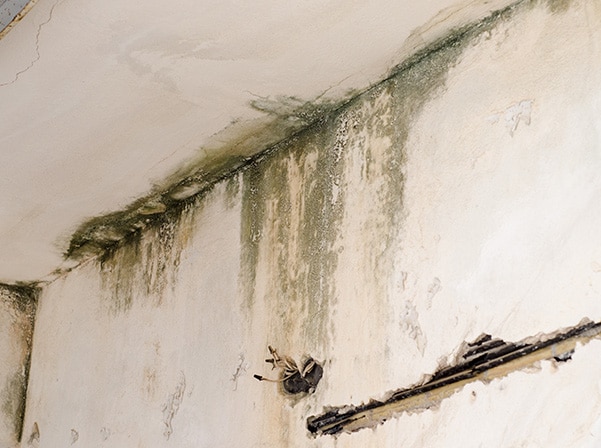
Look for signs of dampness, such as wet spots on walls, leaks around windows, plumbing drips, or high humidity. If water is entering through cracks or poor drainage, it needs to be addressed before any odor will go away.
Check for:
- Wall or floor cracks
- Standing water
- Damp insulation
- Plumbing leaks
- Wet or soft drywall
Step 2 — Improve Airflow & Reduce Humidity
Basements often trap humid air, which creates the perfect space for musty smells. Better airflow and lower humidity make a big difference.
Try:
- Running a dehumidifier
- Opening vents or adding ventilation
- Using fans to move air
- Keeping stored items off the floor
Step 3 — Clean and Treat Mold-Prone Areas
If you notice mold or mildew, clean the area with a safe, effective cleaner designed for mold removal. Be sure the space dries completely afterward — cleaning alone won’t help if moisture remains.
Step 4 — Keep the Basement Dry Long-Term
Once the smell is gone, prevention is key. Ongoing moisture control keeps odors from returning and protects your home from future damage.
Simple long-term habits:
- Run a dehumidifier in humid seasons
- Check gutters and downspouts for proper drainage
- Seal cracks or gaps that let water in
- Avoid storing cardboard boxes directly on concrete floors
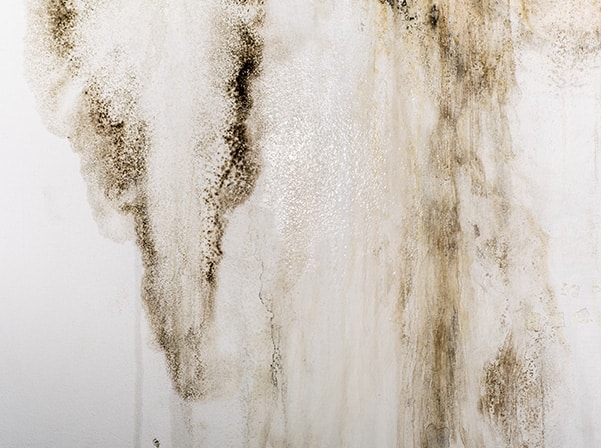
What NOT to Do When Your Basement Smells Musty
When a basement starts to smell musty, it’s tempting to cover the odor or try quick fixes. But some of these choices can actually make the problem worse or hide an issue that needs attention.
Here’s what to avoid:
- Don’t rely on air fresheners or candles.
These only mask the smell and do nothing to stop moisture or mold. - Don’t ignore small leaks or damp spots.
Even minor moisture can turn into bigger problems over time. - Don’t run a dehumidifier without fixing the source.
A dehumidifier helps, but it won’t solve water entry or structural issues. - Don’t paint or seal over wet walls.
Moisture will eventually push through again, and odors will return. - Don’t assume the smell will go away on its own.
Musty odors almost always mean moisture is present somewhere.
Fixing the cause early is always the most effective solution.
Long-Term Solutions for a Fresher, Healthier Basement
Getting rid of musty smells is one thing — keeping them away for good is another. Long-term solutions focus on controlling moisture, improving airflow, and preventing water from getting inside in the first place.
Here are some effective long-term options:
- Basement waterproofing to stop water from entering through walls or floors
- Drainage improvements to move water away from the foundation
- Sealing cracks in foundation walls and floors
- Installing or upgrading a dehumidifier to maintain healthy humidity levels
- Improving ventilation so damp air doesn’t get trapped
- Encapsulation or moisture barriers to keep humidity and odors under control
These solutions help protect your basement, your belongings, and your home’s air quality.
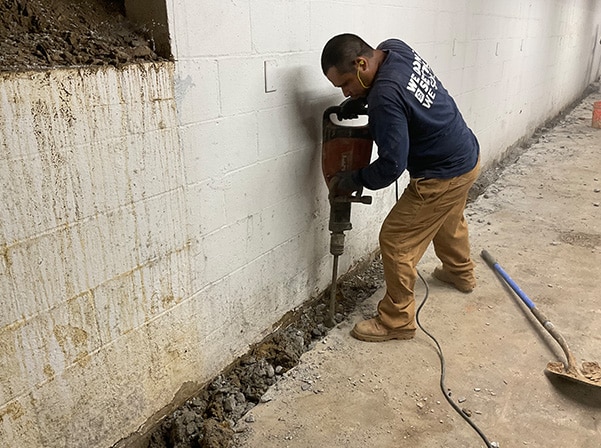
Short-Term Fixes vs. Long-Term Solutions
Short-Term Fixes
Air fresheners
Fans or open windows
Cleaning mold spots
Dehumidifier only
Long-Term Solutions
Waterproofing
Drainage improvements
Moisture barriers
Crack repair & sealing
Short-term fixes help for the moment, but long-term solutions keep your basement dry, fresh, and worry-free.
If your musty basement smell is caused by moisture, cracks, or shifting in the structure, it may be a sign that your home could benefit from foundation repair.
Addressing moisture at the source not only removes odors but also protects your home from future damage. If you’ve noticed musty smells along with cracks, uneven floors, or water intrusion, foundation repair can help restore stability and prevent the problem from spreading.
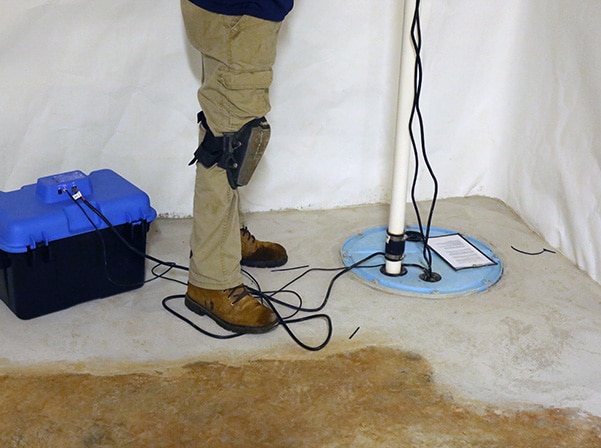
When to Call a Professional
Some musty smells can be handled with basic cleaning or better airflow, but other situations need expert help. A professional can find the exact source of moisture, recommend the right fix, and make sure the problem doesn’t return.
Here are signs it’s time to bring in a basement specialist:
- The smell keeps coming back, even after cleaning or running a dehumidifier
- You see visible mold on walls, floors, or stored items
- Walls feel damp or paint is peeling
- You notice water stains on concrete, drywall, or wood
- The smell is spreading to upper floors of the home
- You can’t find the source of the moisture on your own
A professional inspection gives you clear answers and a plan you can trust.
Get a Free Basement Inspection From Foundation Solutions Group
If you’re dealing with musty smells in your basement, you don’t have to guess what’s causing them. FSG offers a free, no-pressure basement inspection to help you understand the problem and find the best long-term solution.
During your inspection, a trained specialist will:
- Look for moisture entry points
- Check humidity and ventilation levels
- Identify any signs of mold or water damage
- Explain the issue in simple terms
- Recommend solutions based on your home’s needs
- Answer all your questions
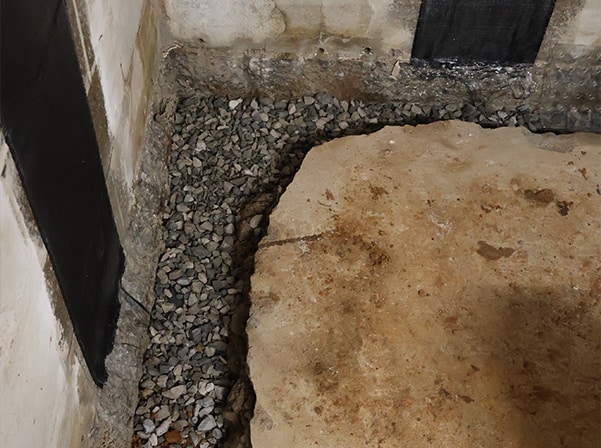
You’ll get clear guidance, not confusion — and you’ll know exactly what’s needed to keep your basement dry and odor-free.
Schedule your free basement inspection today and breathe easier knowing your home is protected.

Written By Shaun Miller, Owner Foundation Solutions Group
Shaun Miller is the owner of Foundation Solutions Group, a trusted foundation repair and waterproofing company serving South Central Kentucky and Middle Tennessee. With over 20 years of experience, Shaun is committed to delivering quality craftsmanship and ensuring that every project is done right the first time, backed by the company’s “Fix-It-Forever Guarantee.” Passionate about educating homeowners, Shaun leads the company’s "Solutions University" initiative to help clients protect their homes through knowledge and preventative care. Dedicated to his community, Shaun also supports local organizations and values the trust his customers place in him.