
How to Pay for Foundation Repair: Financing Options Every Homeowner Should Know
The Cost of Foundation Repair Doesn’t Have to Stop You
Foundation repair is not something most homeowners plan for when planning their monthly budget. When cracks show up or floors start to slope, the first questions that usually come to mind are how to fix the problem and how to pay for foundation repair.
The good news is that paying for foundation repair does not always mean coming up with a large lump sum of money. Today, homeowners have several foundation repair financing options that make repairs more manageable and far less stressful.
From monthly payment plans to loans and home equity options, there are flexible ways to cover foundation repair costs without putting off work that needs to be done.
Understanding your payment options can help you take action sooner, protect your home, and avoid bigger problems down the road. In the sections below, we will break down the most common ways homeowners pay for foundation repairs and explain how each option works in simple terms.

Why Delaying Foundation Repair Can Cost You More
When foundation problems first appear, it is tempting to wait. Small cracks, sticking doors, or uneven floors may not seem urgent at first. However, foundation issues rarely stay the same over time.
As soil shifts and moisture levels change around your home, foundation damage can continue to worsen. What begins as a minor issue can turn into more serious structural problems, increasing the cost of foundation repair.
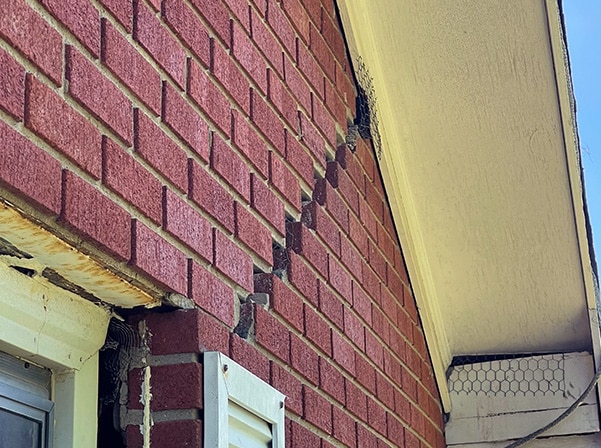
What Can Happen If You Delay Foundation Repair
Putting off foundation repairs can lead to additional damage, including:
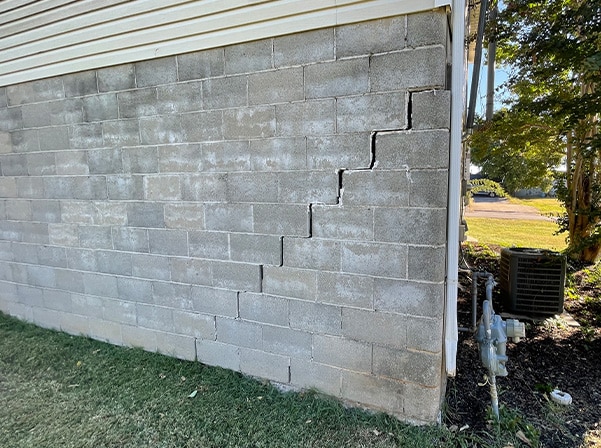
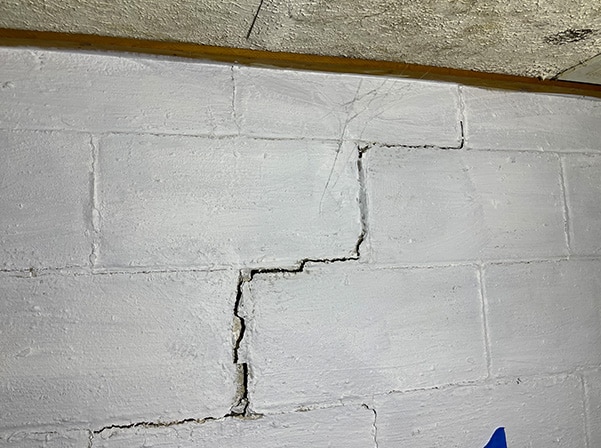
- Wider cracks in walls, floors, and ceilings
- Uneven or sloping floors
- Doors and windows that stick or no longer close properly
- Gaps around windows, trim, or exterior brick
- Water intrusion and moisture problems
Each of these issues can add to your overall repair costs and affect the comfort and safety of your home.
Why Financing Can Help You Act Sooner
Choosing foundation repair financing allows homeowners to address problems early instead of waiting. Fixing issues sooner can:
- Help control the total cost of foundation repair
- Prevent damage from spreading to other areas of the home
- Protect your home’s structure and long-term value
- Reduce stress by creating manageable monthly payments
Taking action early often saves money in the long run and helps keep small problems from turning into major repairs.

Can You Finance Foundation Repair?
Yes, foundation repair can be financed, and it is one of the most common ways homeowners pay for repairs.
Foundation issues often show up unexpectedly, and the cost can feel overwhelming at first. Financing gives homeowners a way to fix structural problems right away instead of waiting until damage becomes worse.
Why Many Homeowners Choose Financing
Homeowners often turn to foundation repair financing because it allows them to:
- Start repairs immediately instead of delaying
- Avoid paying a large lump sum upfront
- Break the cost of foundation repair into manageable monthly payments
- Protect their home’s structure and value sooner
Financing can be especially helpful when repairs are urgent or when foundation repair costs are higher than anticipated.
What to Expect from Foundation Repair Payment Options
There is no one-size-fits-all solution. Payment options vary based on your financial situation, credit history, and how much equity you have in your home. Some options are simple and fast, while others may offer lower interest rates over a longer term.
In the next sections, we will explain the most common foundation repair payment options so you can understand how each one works and decide which makes the most sense for your home and budget.
In-House Financing Through a Foundation Repair Company
One of the most common ways homeowners pay for foundation repair is through in-house financing offered by a foundation repair company.
With in-house financing, the foundation company works with a trusted lender to help homeowners spread the cost of repairs over time. Instead of paying the full amount upfront, you make monthly payments that fit your budget.

How In-House Foundation Repair Financing Works
In most cases, the process looks like this:
- You receive a foundation inspection and repair estimate
- You apply for financing through the company’s lending partner
- Once approved, the lender pays the contractor directly after the work is completed
- You repay the loan through fixed monthly payments
This option is often simple and convenient because everything is handled in one place.
Why Homeowners Choose In-House Financing
Many homeowners prefer in-house financing for foundation repair because it:
- Offers predictable monthly payments
- Allows repairs to start quickly
- Reduces the need to shop around for outside loans
- Helps avoid large upfront costs
For homeowners who want a straightforward way to finance foundation repair, in-house financing is often a practical and stress-reducing solution.

Third-Party Financing and Home Improvement Loans
Another common way to pay for foundation repair is through third-party financing, such as a home improvement loan from a bank, credit union, or online lender.
With this option, you apply for a loan directly through the lender instead of through the foundation repair company. Once approved, you use the funds to pay for your foundation repairs.
How Home Improvement Loans Work
Home improvement loans are typically unsecured personal loans, which means they do not require home equity as collateral. The application process may include a credit check and proof of income.
This option can be a good fit for homeowners who prefer to work directly with a bank or lender they already trust.
Pros and Cons of Third-Party Financing
Potential benefits include:
- Flexibility in choosing your lender
- Fixed monthly payments
- Ability to compare interest rates and loan terms
Things to consider:
- Interest rates may be higher than home equity options
- Approval depends on credit score and income
- Loan terms and fees can vary between lenders
Third-party financing gives homeowners more control over who they borrow from, but it is important to compare offers carefully to avoid paying more than necessary over time.
Using Home Equity to Pay for Foundation Repair
If you have built up equity in your home, you may be able to use it to help cover the cost of foundation repair. Home equity financing is often appealing because it typically offers lower interest rates compared to other loan options.
There are two common ways homeowners use home equity for foundation repairs: a home equity loan or a home equity line of credit (HELOC).
Home Equity Loan vs. HELOC
Home equity loan
- Provides a lump sum of money
- Comes with a fixed interest rate
- Offers predictable monthly payments
Home equity line of credit (HELOC)
- Works more like a credit card
- Allows you to borrow only what you need
- Usually has a variable interest rate
Both options use your home as collateral, which is why interest rates are often lower than unsecured loans.
When Home Equity Financing Makes Sense
Using home equity to pay for foundation repair may be a good option if you:
- Have significant equity in your home
- Want lower interest rates
- Are comfortable using your home as collateral
- Plan to stay in your home long-term
Because foundation repairs protect your home’s structure and value, many homeowners see home equity financing as a smart long-term investment.

Paying for Foundation Repair with a Credit Card: Pros and Cons
Some homeowners consider using a credit card to pay for foundation repair, especially for smaller projects or partial costs. While this can work in certain situations, it is important to understand the pros and risks before choosing this option.
When a Credit Card Might Make Sense
Using a credit card for foundation repair may be reasonable if:
- The repair cost is relatively small
- You can pay off the balance quickly
- You qualify for a low or promotional interest rate
In these cases, a credit card can provide fast access to funds without a lengthy approval process.
Risks of Using a Credit Card for Foundation Repair
Credit cards usually come with higher interest rates, which can add up quickly if the balance is not paid off soon. Potential drawbacks include:
- High interest charges over time
- Large monthly minimum payments
- Increased credit utilization, which may affect your credit score
Because foundation repair costs can be significant, credit cards are generally best used with caution and only when you have a clear plan to pay the balance down quickly.
Refinancing Your Mortgage to Cover Foundation Repairs
Some homeowners choose to refinance their mortgage to include the cost of foundation repair. This option replaces your current mortgage with a new one that has a higher loan amount, allowing you to use the extra funds for home repairs.
While refinancing is a bigger financial decision, it can make sense in certain situations, especially when foundation repair costs are substantial.
How Mortgage Refinancing Works for Foundation Repair
When you refinance, you take out a new mortgage based on your home’s current value. The difference between your old loan and the new loan can be used to pay for foundation repairs.
This option often comes with:
- Longer repayment terms
- Potentially lower interest rates compared to personal loans
- One combined monthly mortgage payment
When Refinancing May Be a Good Fit
Refinancing your mortgage to pay for foundation repair may be worth considering if you:
- Plan to stay in your home long-term
- Qualify for favorable interest rates
- Need to finance a larger repair project
- Want to roll repair costs into one monthly payment
Because refinancing affects your entire mortgage, it is important to carefully review loan terms, closing costs, and long-term interest before moving forward.

Is Financing Foundation Repair a Smart Investment?
For many homeowners, financing foundation repair is a smart investment, not just an expense. Your foundation supports your entire home, and fixing problems early helps protect everything above it.
Leaving foundation issues unaddressed can lead to more damage, higher repair costs, and even reduced home value. Financing allows you to take care of repairs now instead of waiting and risking bigger problems later.
How Foundation Repair Protects Your Home’s Value
A properly repaired foundation can:
- Preserves appraisal and resale value
- Prevents further cracking and movement that could lead to major expenses
- Improves home inspection results
- Improves buyer confidence if you sell your home
In many cases, foundation repair helps maintain or even increase your home’s value over time.
Weighing the Cost vs. the Benefit
When deciding whether to finance foundation repair, it helps to compare the cost of monthly payments to the potential cost of delaying repairs. Spreading payments over time often makes repairs more manageable while protecting your home and your investment.
As with any financing decision, it is important to review interest rates, fees, and repayment terms so you understand the total cost and choose the option that works best for your budget.
How to Choose the Right Foundation Repair Payment Option
With several ways to pay for foundation repair, choosing the right option can feel overwhelming. The best choice depends on your financial situation, how urgent the repairs are, and what feels most comfortable for your budget.
Questions to Ask Before Choosing a Payment Option
Before deciding, it helps to ask yourself:
- How quickly do the foundation repairs need to be completed?
- Can I afford a lump-sum payment, or do I need monthly payments?
- What interest rates and fees are involved?
- How long will I be paying off the repair?
- Am I comfortable using home equity as collateral?
Answering these questions can help narrow down the best foundation repair financing option for your needs.
Compare More Than Just Monthly Payments
While monthly payments matter, they are not the only factor to consider. Be sure to compare:
- Interest rates
- Loan terms
- Fees and closing costs
- Total amount paid over time
Taking a few extra minutes to compare options can help you avoid paying more than necessary and choose a solution that works both now and in the long run.

Can You Pay Cash for Foundation Repair? (And When That Makes Sense)
Yes, some homeowners choose to pay cash for foundation repair, and in certain situations, that can be a great option. Paying cash avoids interest charges and keeps financing simple.
Paying cash often makes sense when the repair cost is manageable and you have savings set aside specifically for home repairs.
When Paying Cash Works Well
Paying cash for foundation repair may be a good fit if you:
- Have sufficient savings available
- Want to avoid interest or loan fees
- Are comfortable using emergency funds for repairs
For smaller foundation issues, cash payments can be straightforward and stress-free.
When Financing May Be the Better Choice
Even if you have savings, financing can still make sense. Using all of your cash at once may leave you unprepared for other unexpected expenses. Financing allows you to:
- Keep emergency savings intact
- Address foundation issues without delay
- Spread costs over time for better cash flow
The most important thing is not how you pay, but that the foundation repair gets done before damage worsens.
Frequently Asked Questions About Paying for Foundation Repair
The best way to pay for foundation repair depends on your budget, credit, and how urgent the repairs are. Some homeowners prefer in-house financing with monthly payments, while others choose loans, home equity options, or cash. The right choice is the one that allows you to fix the problem without unnecessary financial strain.
Financing options vary by lender. Some foundation repair companies work with lenders that offer financing options for homeowners with less-than-perfect credit. Approval, interest rates, and terms depend on your individual financial situation.
In most cases, waiting can lead to more damage and higher repair costs. Financing allows you to address foundation issues early, which can save money and protect your home in the long run.
Foundation repair helps protect your home’s structure and can improve buyer confidence. While it may not always increase value dollar-for-dollar, it often prevents value loss and makes your home more marketable.
Don’t Let Cost Delay Critical Foundation Repairs
Foundation problems can feel overwhelming, especially when you start thinking about the cost. The important thing to remember is that you have options. From monthly payment plans to loans and home equity financing, there are several ways to pay for foundation repair without putting your home at risk.
Delaying repairs often leads to more damage and higher costs down the road. Addressing foundation issues early helps protect your home’s structure, comfort, and long-term value.
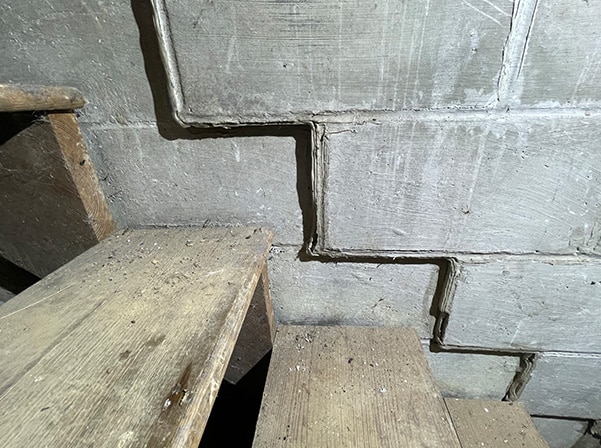
Whether you choose to pay cash or use financing, the right solution is the one that allows you to move forward with confidence. Take time to review your options, compare terms, and choose a payment plan that fits your budget and your needs.
If you are concerned about foundation problems in your home, getting professional guidance can help you understand the scope of the issue and the best path forward. Taking action now can save you time, money, and stress in the future.

Written By Shaun Miller, Owner Foundation Solutions Group
Shaun Miller is the owner of Foundation Solutions Group, a trusted foundation repair and waterproofing company serving South Central Kentucky and Middle Tennessee. With over 20 years of experience, Shaun is committed to delivering quality craftsmanship and ensuring that every project is done right the first time, backed by the company’s “Fix-It-Forever Guarantee.” Passionate about educating homeowners, Shaun leads the company’s "Solutions University" initiative to help clients protect their homes through knowledge and preventative care. Dedicated to his community, Shaun also supports local organizations and values the trust his customers place in him.